

The Concept Held Because Collaboration Started Early
Many of the most impactful landscape structures get value-engineered somewhere between the drawing and the site. Not this one. Because the fabricator was in the room before the budget was.
Or catch us in person at:
ASLA National, Sept 16–18, LA
Design Without Boundaries Presentation
Tired of watching good designs get cut to fit a budget?
That's what "Design Without Boundaries" is about.
Here's what it looks like on a real job.
Case study
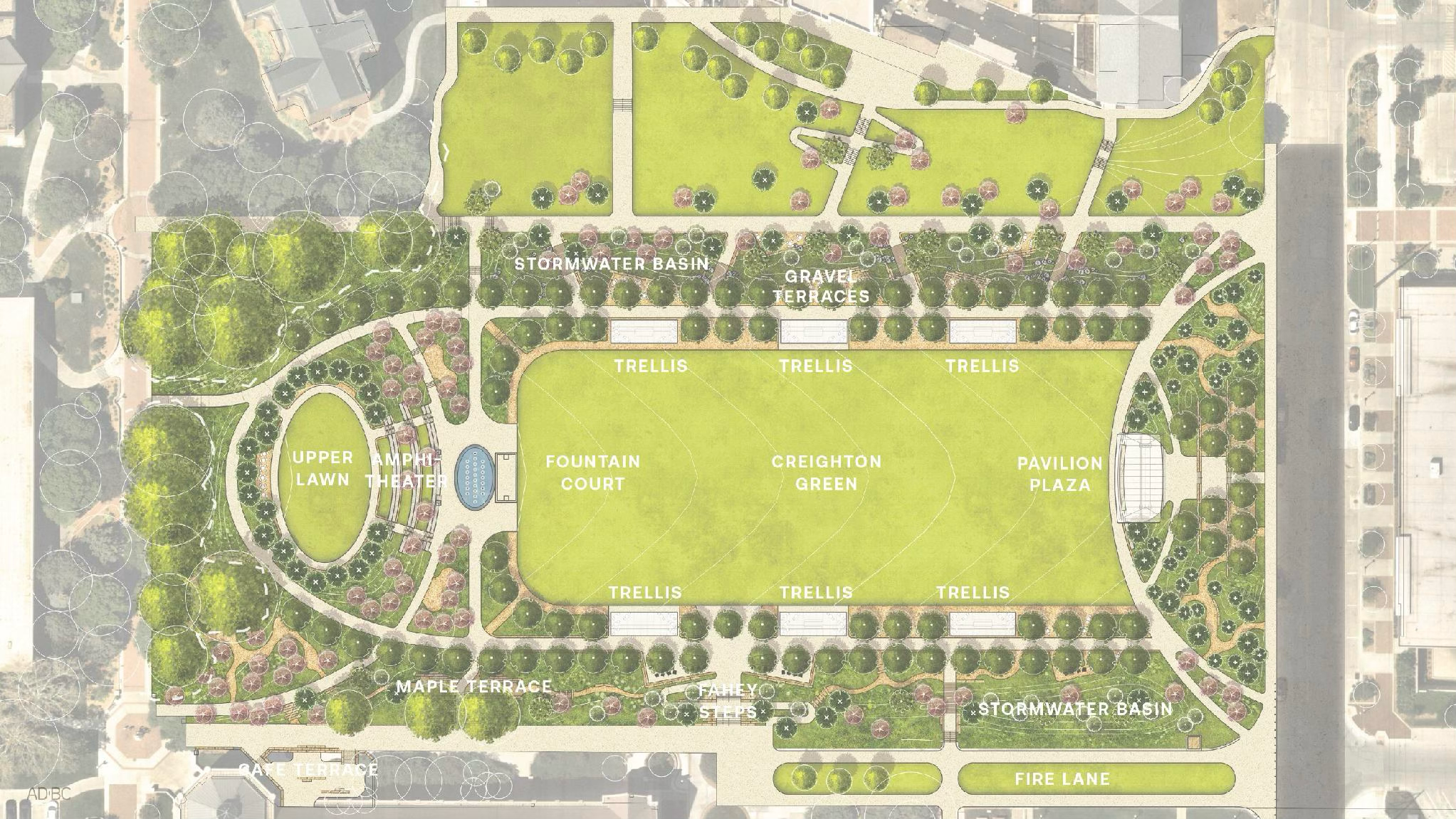
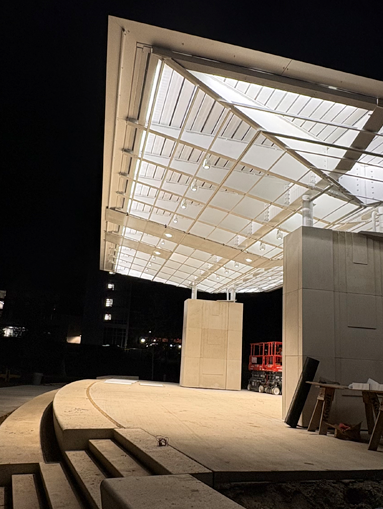
CREIGHTON CAMPUS QUAD - TERRACE & PAVILION
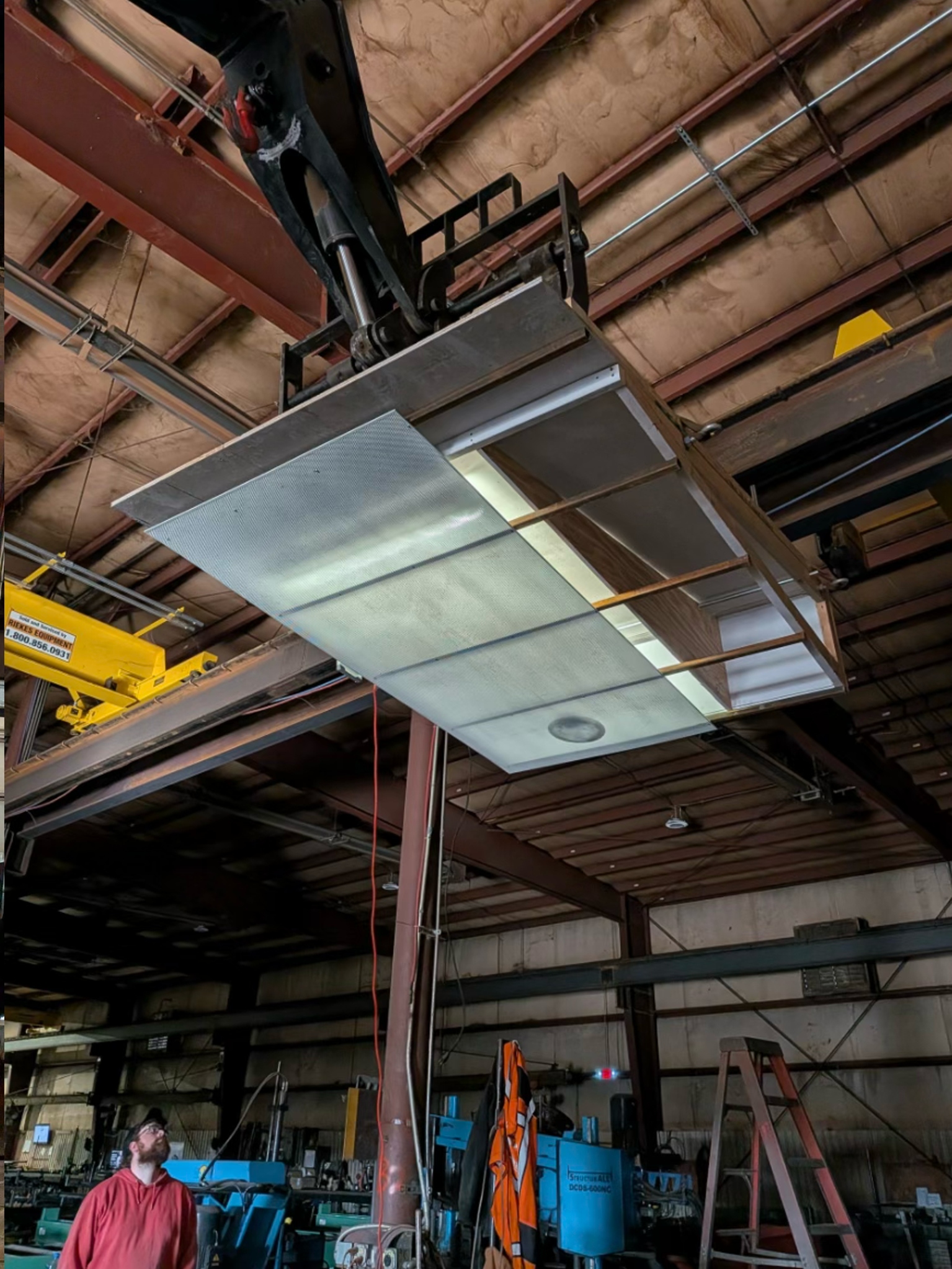
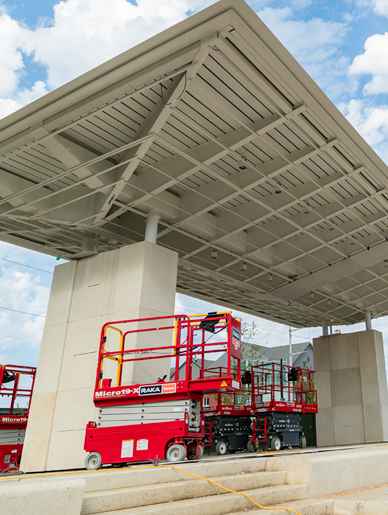
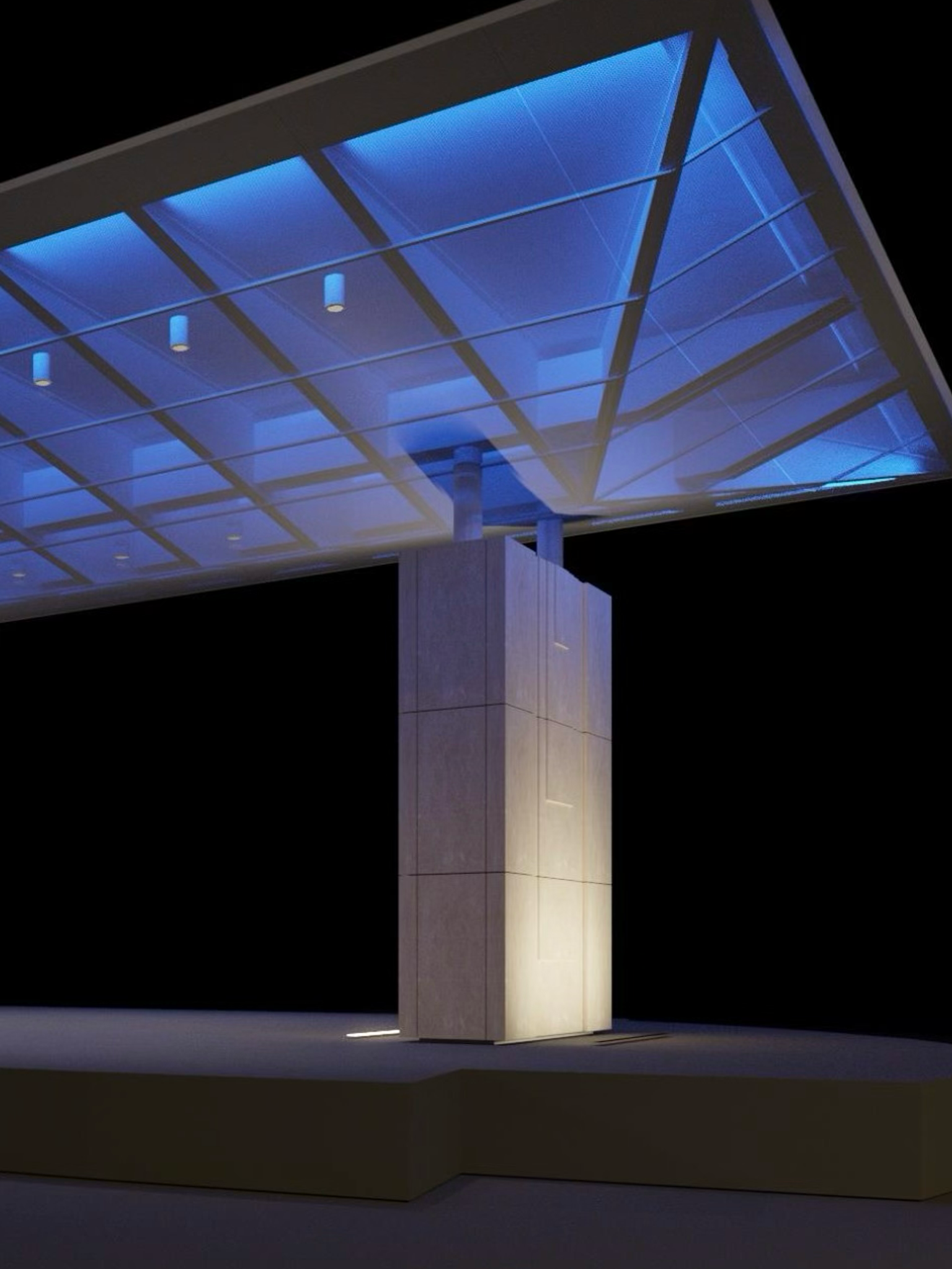
On the pavilion, the original design called for the main structure to be assembled in the field from a large number of individual components, pieced together and joined with moment welds made in the field. That's the conventional path, and it's slow: field moment welding is skilled, weather-dependent work, done one connection at a time, high off the ground.
Rebellion pushed for a fundamentally different build. Instead of many small parts, we fabricated the structure as a handful of large-scale assemblies. Larger pieces with fewer splices, welded in the shop, connected in the field with bolts. The whole approach was driven by shipping and erectability: engineered around the raw material's real dimensions and actual transport limits, and detailed to eliminate field moment welds entirely.
The architect and structural engineer were part of that decision before it was made and not handed a substitution after the fact.
The result: we set the main structure in two to three days. Built the original way, it would have taken at least two weeks.
not just a fabricator
From people who have already built with us.
“They understood the design intent, not just the drawing set. That’s rare, and it changes how a project actually gets built.”
“We brought them in early and they treated the schedule like it was theirs to protect, not just ours to manage.”
“The level of detail work is what you’d expect from a shop three times their size, without losing the direct line to the people actually building it.”
What changes for you when rebellion’s in the room
01
Direct access, real ownership
You’re talking with the people who build it, not a coordinator relaying updates. When something needs a decision, they make the call.
02
Transparent, and provable
Estimating and pre-construction happen before the drawings lock, so you see how the number was built. That's also why change orders on our jobs run well below the industry norm.
03
The hardest part, found first
On a design-forward job, that's usually complex geometry. We verify it's buildable as drawn before it reaches the shop floor, and fix what's wrong on paper, not in the field.
Design Without Boundaries
Bringing Together Landscape, Architecture and Fabrication
Most public structures move through design as a sequence, landscape architect to architect to fabricator, with each discipline working around decisions the last one already locked in. This session presents a different model: integrating landscape architecture, architecture, and fabrication from the earliest stages of a project, rather than treating fabrication as a downstream constraint.
Drawing on built case studies, Nathan Elliott, Ben Corotis, and Ross Gredys examine how early cross-disciplinary collaboration expands design possibility, sharpens detail quality, and reduces the delays and cost overruns that come from late-stage coordination.
On Stage at ASLA
-
![]()
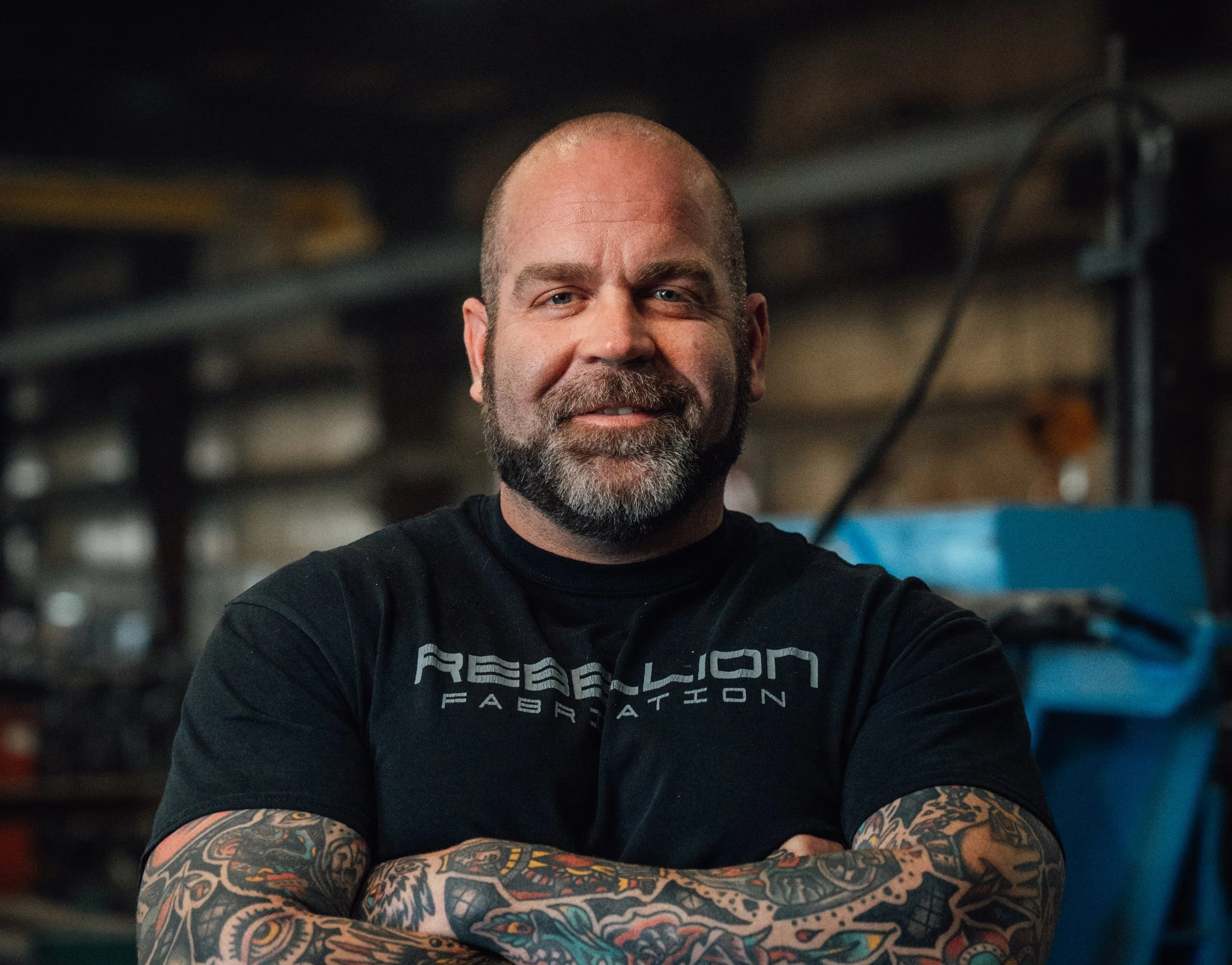
Ross Gredys
FOUNDER & CEO
Rebellion Fabrication -
![]()
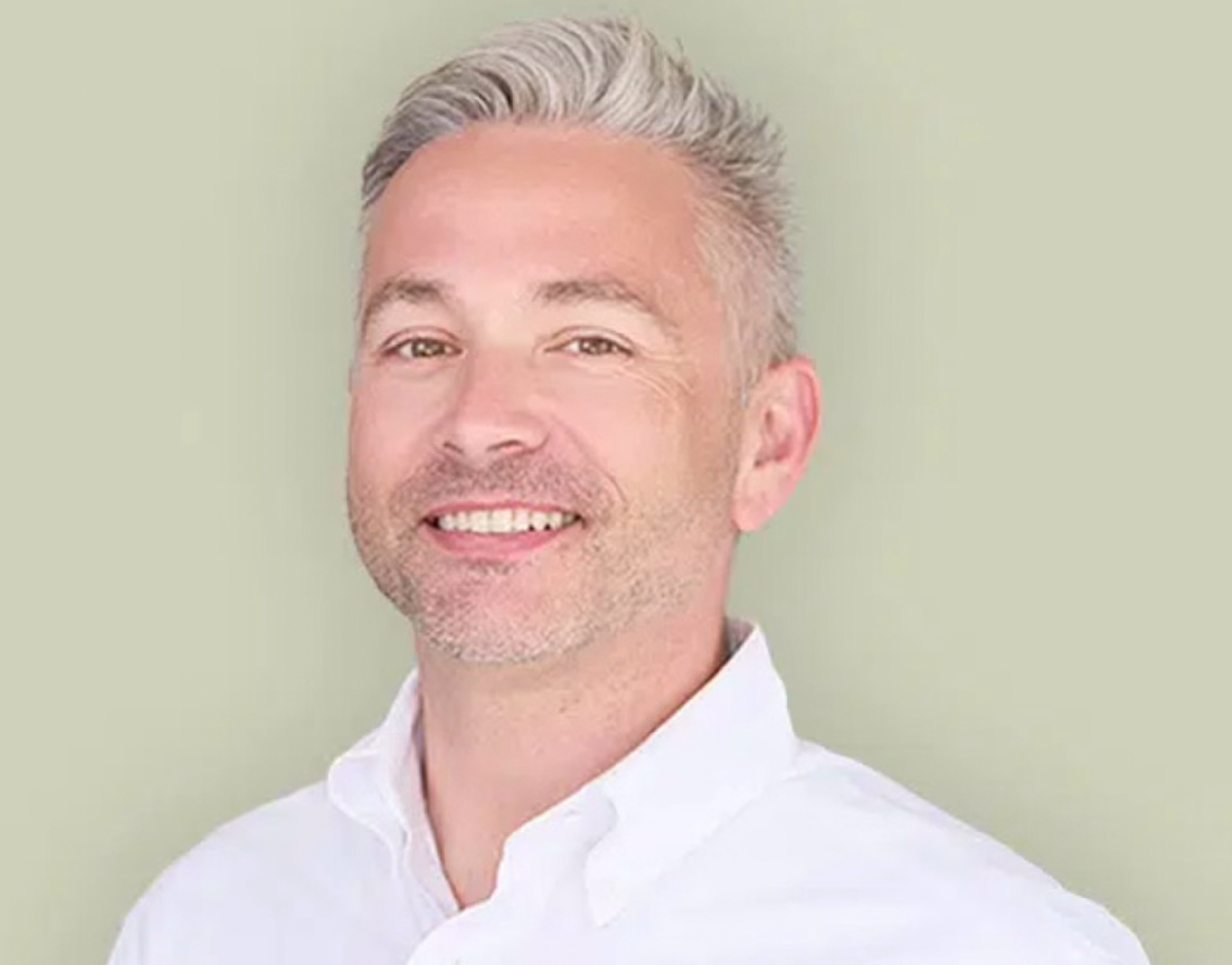
Nathan Elliott
Landscape Architect
OJB Studios -
![]()
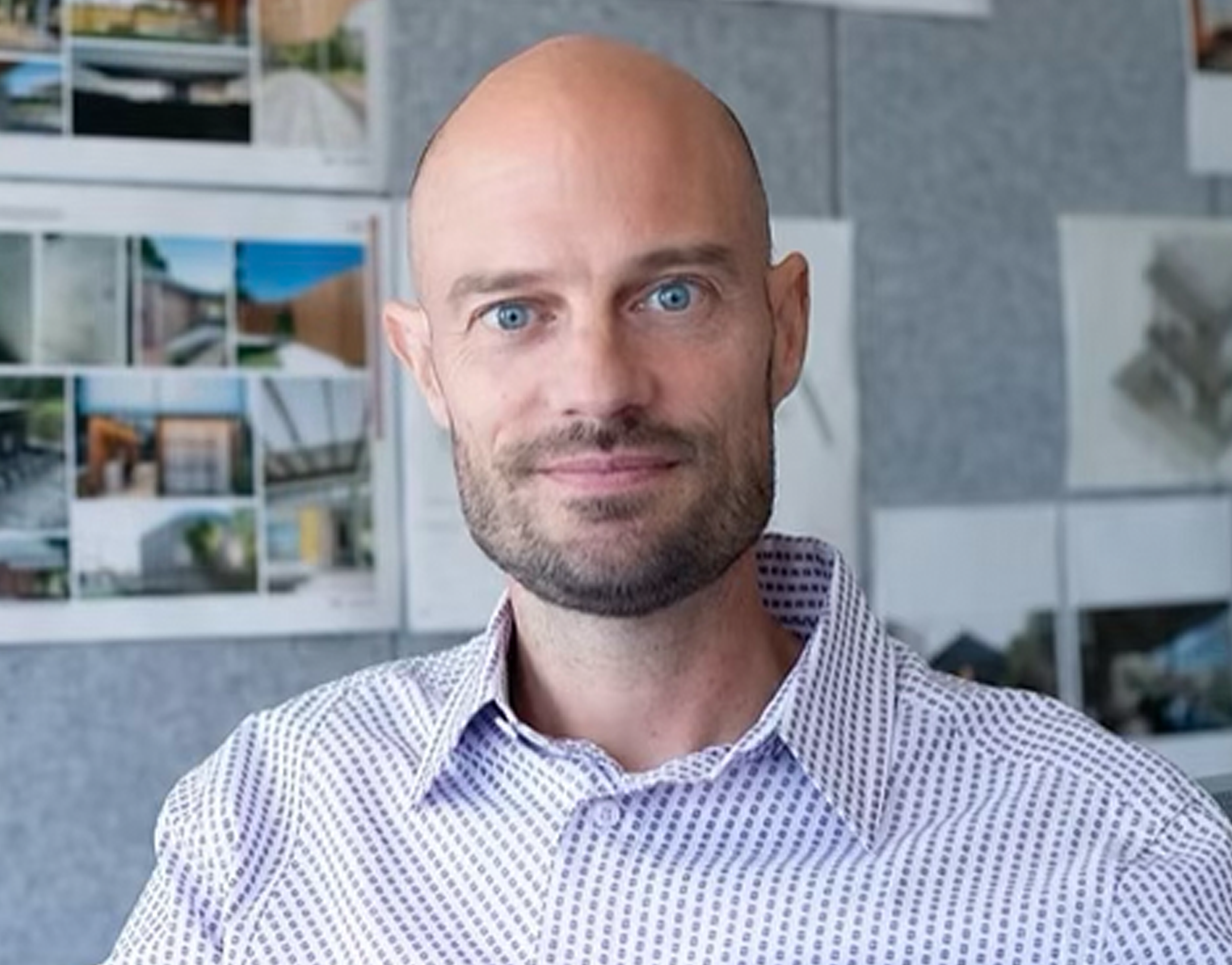
Ben Corotis
Principal
ADBC Design Architecture
Let’s talk about what you’re designing
No RFQ required to start the conversation. Tell us what you're working on and what's still unresolved.
At ASLA National — Sept 16–18, Los Angeles
Attending the session? Say so below and we'll be there to meet you.